Confirm your age
Are you over the age of 21?
Navigating the world of cannabis can feel overwhelming when you’re encountering unfamiliar terminology at every turn. At Somerset Green, we believe that knowledge empowers better choices, which is why we’ve compiled this comprehensive glossary to help demystify the language of cannabis. Whether you’re exploring our wide selection of brands that we’re working to expand for customers or speaking with our friendly staff about product recommendations, understanding these terms will enhance your experience and help you make informed decisions about your wellness journey.
The cannabis industry has developed its own specialized vocabulary over decades of cultivation, research, and innovation. From ancient botanical terms to modern extraction methods, each word tells a story about the plant’s evolution in both medical and recreational contexts. Our commitment to education means we want every customer who walks through our doors in Edison, Franklin Township, Highland Park, Milltown, New Brunswick, North Brunswick to feel confident discussing their preferences and needs, armed with the knowledge to explore our diverse menu ranging from accessible daily favorites to premium selections.
Cannabinoids represent the foundation of cannabis science, serving as the active chemical compounds that create the plant’s various effects. These naturally occurring molecules interact with your body’s endocannabinoid system, a complex network of receptors that regulate everything from mood and appetite to pain perception and memory. Over one hundred different cannabinoids have been identified in cannabis plants, though only a handful have been extensively studied for their therapeutic potential.
THC (Tetrahydrocannabinol) stands as the most recognized cannabinoid, responsible for producing the euphoric and psychoactive effects traditionally associated with cannabis consumption. This compound binds directly to CB1 receptors in your brain, creating alterations in perception, mood enhancement, and increased appetite. Modern cultivation techniques have allowed growers to develop strains with THC concentrations ranging from minimal amounts to over thirty percent, providing options for every tolerance level and desired experience.
CBD (Cannabidiol) has emerged as the wellness world’s favorite non-psychoactive compound, offering therapeutic benefits without the intoxicating effects of THC. Research suggests CBD may help with inflammation, anxiety, pain management, and seizure disorders, making it particularly appealing for medical patients and those seeking relief during daytime hours. The 2018 Farm Bill legalized hemp-derived CBD products containing less than 0.3% THC, dramatically expanding access to these beneficial compounds across the United States.
Indica varieties traditionally originate from the Hindu Kush mountain region, developing shorter, bushier structures with broad leaves adapted to harsh climates. These plants typically produce relaxing, sedative effects often described as a “body high,” making them popular choices for evening use, pain relief, and sleep support. The terpene profiles of indica strains often feature earthy, musky aromas with hints of grape or berry, contributing to their distinctive sensory experience.
Sativa plants evolved in equatorial regions, growing tall with narrow leaves and longer flowering periods. Users often report energizing, cerebral effects that promote creativity, focus, and social interaction, making sativa strains ideal for daytime activities and creative pursuits. “Go Green, feel serene” perfectly captures the balanced uplift these varieties can provide, offering mental clarity without overwhelming stimulation.
Hybrid strains combine genetics from both indica and sativa lineages, allowing cultivators to craft specific effect profiles tailored to modern consumer preferences. These crossbred varieties can lean indica-dominant, sativa-dominant, or provide balanced effects, offering the best of both worlds. Contemporary breeding programs have produced thousands of unique hybrid combinations, each with distinct characteristics in terms of potency, flavor, aroma, and therapeutic applications.
Understanding different consumption methods helps you choose products that align with your lifestyle and wellness goals. Each method offers unique onset times, duration of effects, and bioavailability rates that significantly impact your experience.
Decarboxylation represents a crucial chemical process that activates cannabinoids through controlled heating, converting inactive THCA and CBDA into their psychoactive and therapeutic forms. This transformation occurs naturally when smoking or vaping but must be performed separately when creating edibles or tinctures to ensure proper potency and effectiveness.
Terpenes are aromatic compounds found throughout nature, giving cannabis strains their distinctive flavors and potentially contributing to therapeutic effects through the entourage effect phenomenon. Over two hundred terpenes have been identified in cannabis, with compounds like limonene, myrcene, and pinene appearing most commonly. These molecules work synergistically with cannabinoids, potentially enhancing or modulating their effects while adding complexity to the sensory experience.
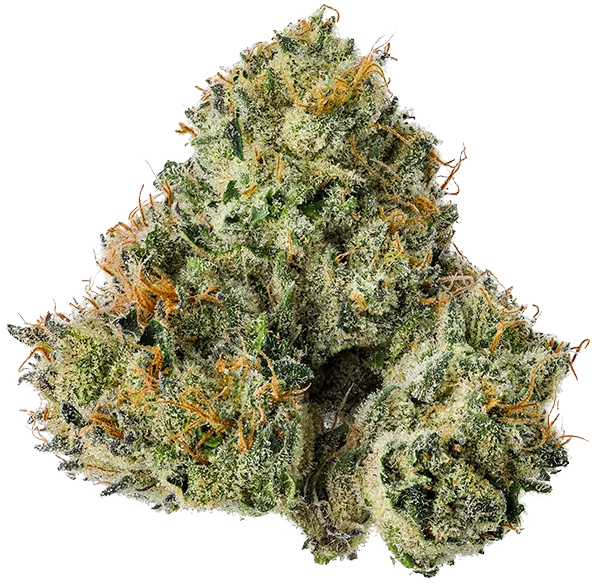
Flower
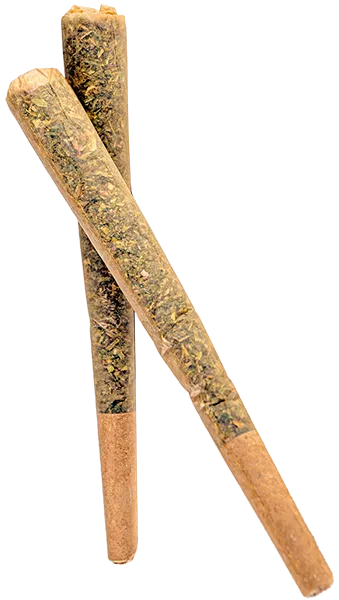
Pre-Rolls
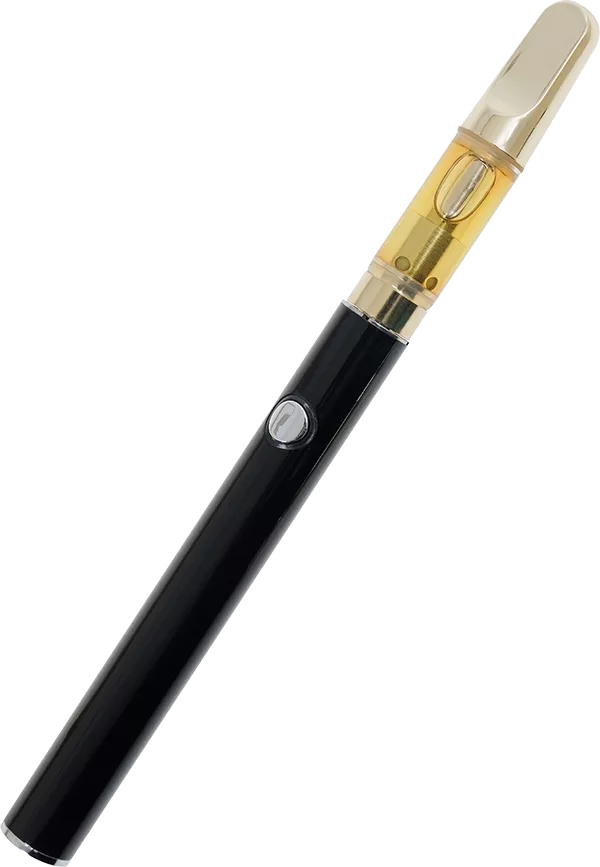
Vapes

Edibles
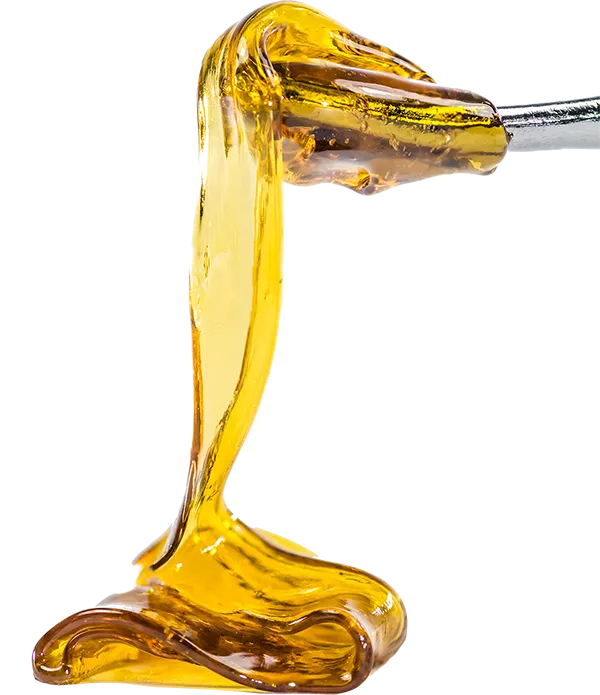
Extracts
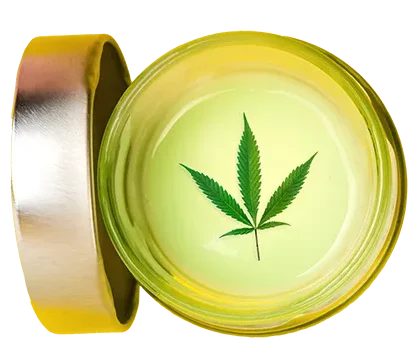
Topcials
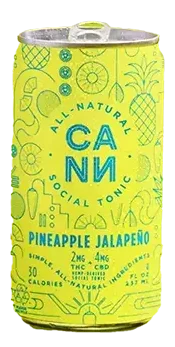
Beverages